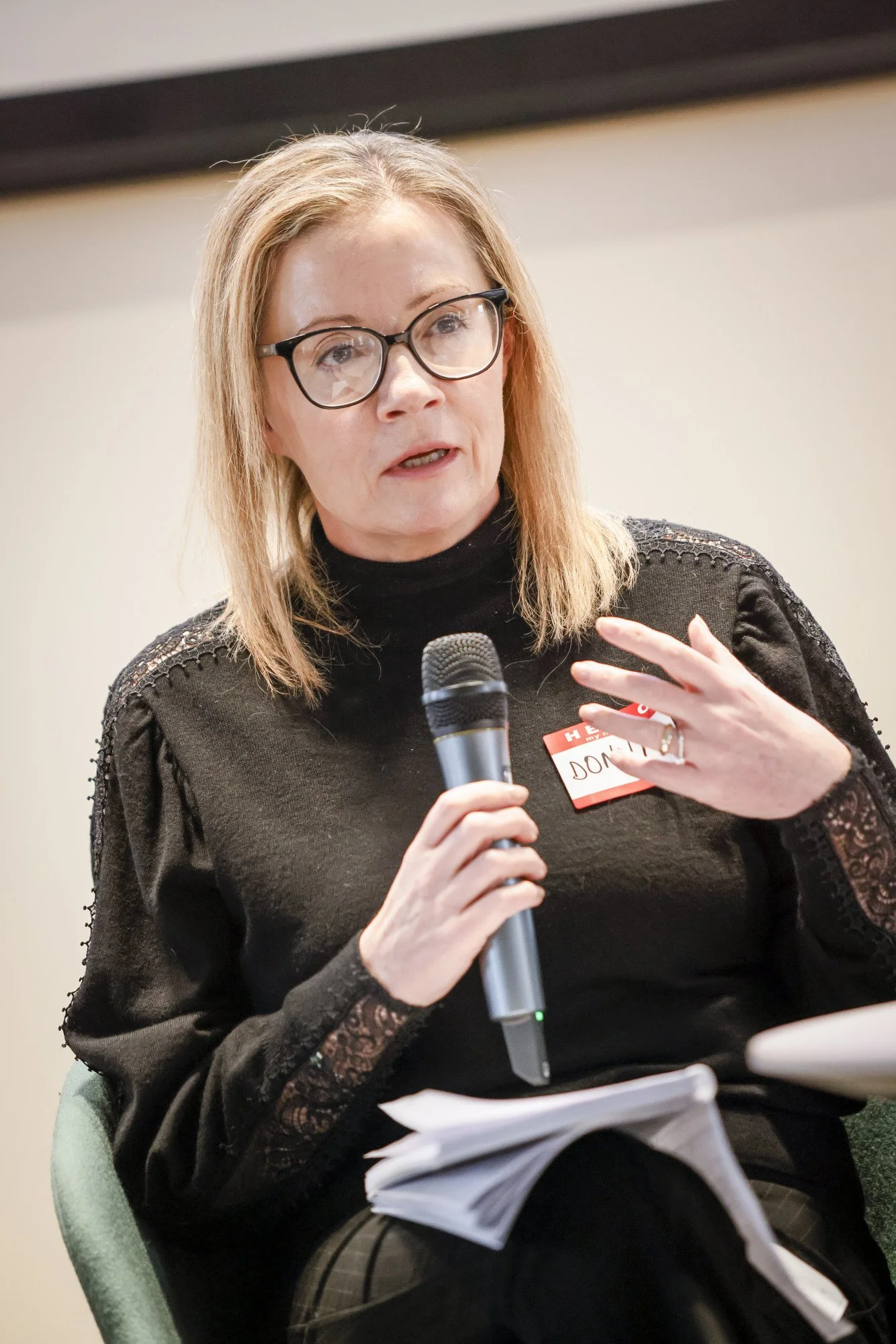
Dr David Walsh, University of Glasgow
Our keynote speaker for day was Dr David Walsh, author and academic, who outlined the stark reality of health inequalities in Scotland.
David Explored how these inequalities are a political choices and cause stark and avoidable differences in people’s health and life expectancy, leading to Scotland being a country where many people die younger than they should.
He led us through the data which outlined how in rich countries, life expectancy should go up over time and deaths rates go down. And until the early 2010s, that’s exactly what had happened in Scotland (and the rest of the UK) for well over a century.
As David wrote for CHEX: “Astonishingly, in the early 2010s this all stopped. In the poorer parts of all four nations of the UK, people stopped living longer; they started dying younger. A reversal of more than a century’s improvement. The evidence shows very clearly that this was principally the result of UK government policies, namely the UK Government’s ‘austerity’ programme started in 2010. This is best understood as cuts to government funding on a massive scale.”
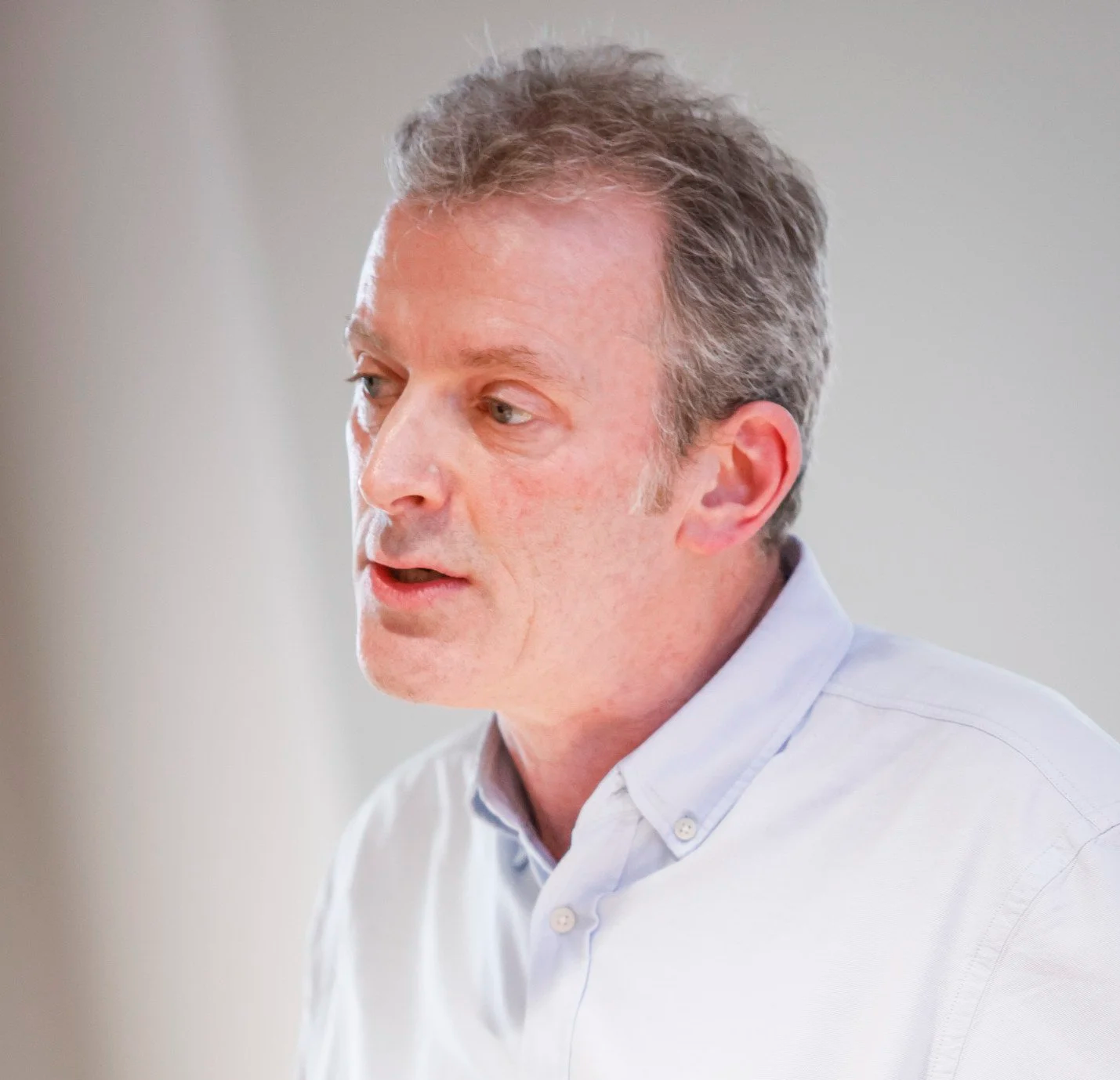
Ruth Glassborow, Director of Population Health and Wellbeing, Public Health Scotland
What I heard
Heard the power of community organising and collective action - it can make a difference
The human cost of the short-term funding cycle alongside fact it is a really inefficient way to run services
Value of the quantitative data alongside qualitative real life stories – however we could make it easier for the third sector to collect the data that informs funding decisions
Examples of NHS reps on IJB boards not demonstrating understanding of social determinants and role of the third sector.
Capacity / time is a massive constraint to advocate in the wider system
Sense of overwhelm that could lead to inaction as all feels too much - how do we enable people to take action even in the current context?
Importance of ‘both/and’ - we need to change the structure stuff such as good work, accessibility and affordable healthy food etc AND more working with individuals. it’s not an ‘either/or’
Let’s not impose our idea of what a thriving life is. Enable people to define that themselves.
What am I going to do?
On IJBs, work already in place with NHS boards to help them understand their prevention role. Will ensure a draft of a self-assessment they will be undertaking round this is shared with some third sector leaders for comments.
Issue around third sector capacity building around data – about to initiate work through The Prevention Hub around whole system evaluation. Will ask that this work includes some input around third sector voice.
Have a chat with Wendy from South Lan and colleagues about what their experience is around the work PHS is doing in their area which is focused on reducing health inequalities.
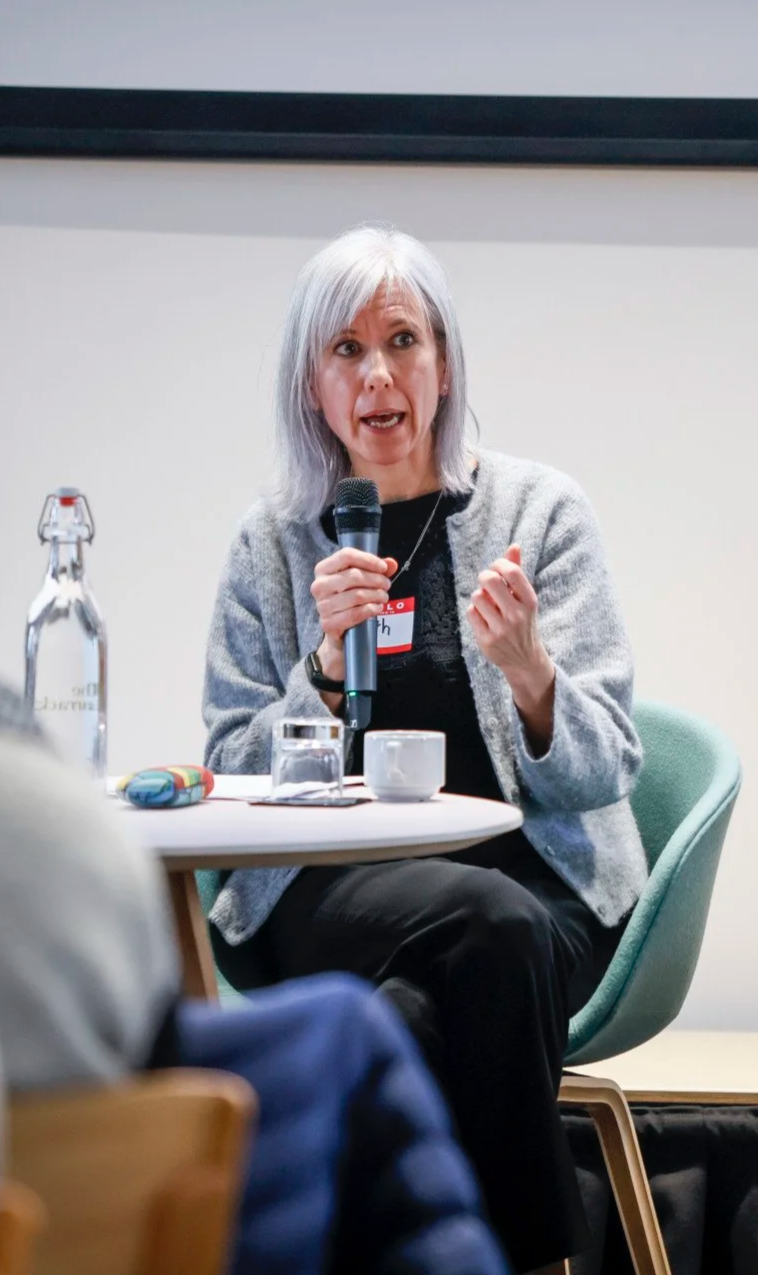
Katherine Smith, Professor of Public Health Policy, Co-Lead of the Scottish Health Equity Research Unit & The Centre for Health Policy
What I heard
A huge amount of work, creativity and innovation is being undertaken by community organisations across Scotland.
Community organisations are often able to make resources go a long way, particularly for those experiencing the sharpest inequalities. Even relatively small cuts can therefore have very damaging consequences.
There is clear frustration with national and local political and bureaucratic decision-making when budget cuts lead to effective interventions ending and disrupt hard-won relationships with communities.
There is also frustration with aspects of the research system, particularly where research risks reducing people’s lives to a series of data points and fails to reflect the complexity and wholeness of people’s experiences.
Inspiring examples of resistance and advocacy were shared, including efforts to push back against wide-ranging cuts in Edinburgh.
There are also encouraging examples of innovation, such as work in Clackmannanshire where communities are being more directly involved in decisions about local budget spending.
The power of stories came through strongly. As someone working in research, I recognise that our sector often assumes that data alone drives change. This has clear limits, and we have much to learn from community organisations about how powerful storytelling can help communicate insights and mobilise action.
Community organisations are not only analysing problems but actively building alternative visions and practical responses. This offers an important complement to much academic work, which can sometimes remain focused on describing problems.
Finally, the importance of alliances was emphasised: facing difficult circumstances collectively and building solidarity across sectors.
What I will do
Within SHERU (the Scottish Health Equity Research Unit)
We will continue our role in scrutinising national policy commitments and researching their implementation, helping to strengthen accountability and support efforts to ensure Scotland’s commitments to reducing inequalities move from rhetoric to reality.
As we plan engagement activity for 2026–27, I will take back the strong message that we could do more to engage with community organisations and learn from their experience.
I will also feed reflections from this event into discussions about the future direction of the unit, particularly as colleagues develop ideas for the next phase of work and consider where research can most effectively contribute to reducing health inequalities.
More broadly
I will continue to encourage fellow researchers to reflect on how research practices can unintentionally cause harm when people’s lives are reduced to abstract data points.
I will also keep emphasising the importance of lived experience and qualitative insight in understanding the realities behind inequalities.
Finally, I will try, wherever possible, to focus the research I am involved in on supporting action: developing ideas, alternative visions and practical proposals for change. Because many research tools are designed primarily to analyse the past, this requires methodological innovation. Encouragingly, many researchers are committed to this shift and new approaches are beginning to emerge.
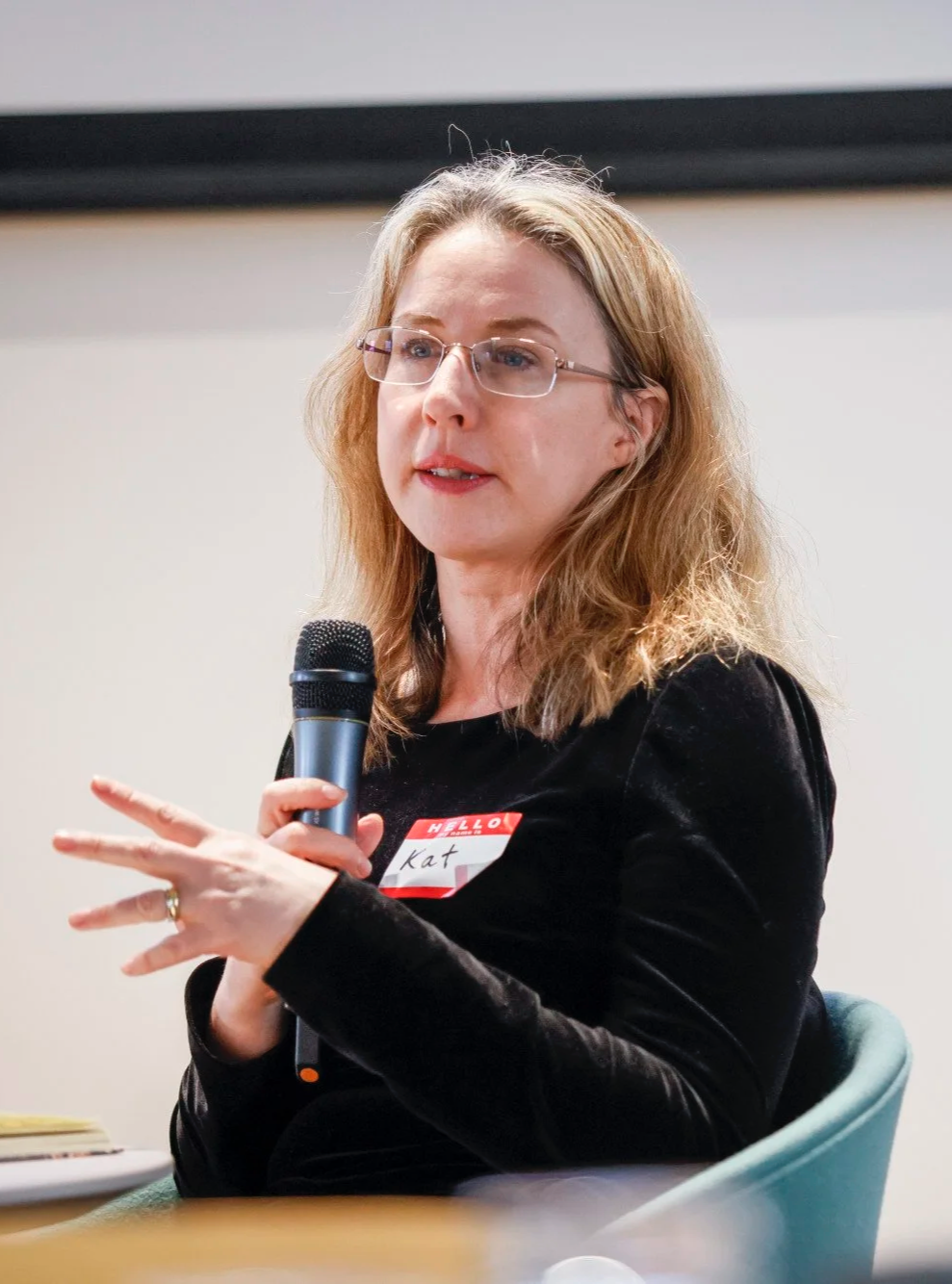
Donna McLeod, Scottish Government, Population Health Directorate
What I’m hearing
Passion and genuine energy on the work you’re doing.
We need to give local people he ability to transfer their spaces. Policy makers are getting it wrong around this.
We need to create the conditions for change - transformation is needed. We need to get the right people in the right spaces to create those conditions.
Grassroots orgs are experiencing system level issues - we need to work with communities to address these.
Evidence and data allow us to achieve strategic change.
No accountability, short sighted decisions around finances and these services are vital which stop the pressures on the NHS.
By investing local services, we get savings - decision makers do not seem to get this.
Need to give people agency to make decisions for their community. Focus on the experts with experience. We’ve spent many years getting it wrong because we haven’t listened to the true experts.
Safe space to discuss change is vital, so we can learn from where things aren’t working, but also how to press forward – all in a way that encourage discussion.
Emerging stories in this room that show what we need to do. Massive potential in this room, but not listened to or being heard.
Create more ways to hear and listen, not just tick boxes.